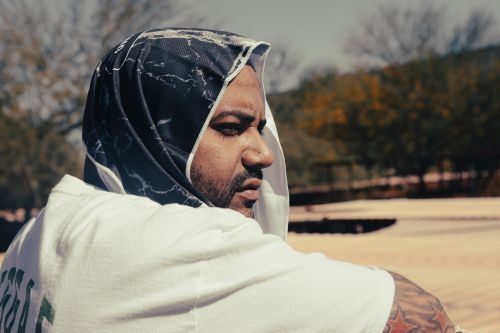
Photo: Signal and Noise PHX
DJ Jahmar carries reggae's torch in Arizona and beyond
For decades, the DJ has championed reggae music, built community, and introduced new generations to the genre's enduring spirit.
Reggae is in DJ Jahmar Anthony's blood: His father, Dennis Francis, aka DJ Papa Ranger, who hailed from Kingston, Jamaica, opened up the genre to Arizonans through his musical career and by opening and operating Twelve Tribes Reggae Shop, which remained open until his passing in 2022.
Jahmar was also passionate about reggae music, but his original plan wasn't to be a DJ.
"I was about 15 when my dad got cancer, and he couldn't perform. Some of the bars my dad dealt with made a deal with him that, since I knew how to DJ, they would let me fill in. I didn't want to be a DJ at that time. I wanted to be a reggae artist. I thought I was going to be the next Sean Paul," he tells Signal and Noise.
Because he was underage, the clubs kept an eye on him throughout the shows, and he remained in their designated areas. What happened, though, beyond being under the watchful eyes of bar owners and managers, is that he decided DJing was for him, after all.
"I started getting a fan base while I was filling in for my dad, and I wanted my culture to be represented out here the right way. By that point, reggae music had already crossed over to college kids and had become popular. You had reggae videos playing on BET and dancehall music videos playing on the Grammys — people were more open-minded to it."
"At the same time, though, there was still a set of people who were like, 'I don't understand it, I don't get what they're saying,' — they didn't understand the language." He made it a goal to help people understand.
His love of hip-hop became part of the mix: "I was blending reggae and hip-hop — that was my style."
"I'd do things like put a reggae dancehall beat on a hot Snoop Dogg beat, and people would be like, 'Yo, what is that, it's so cool,' and I'd explain my mixes." He started getting booked to perform at many hip-hop shows.
"Even though I was at hip-hop shows, it was always important to me that I was still representing reggae and dancehall culture. I was like, 'This is cool right here, but I'm from Jamaica, and that's my culture. This is what I represent."
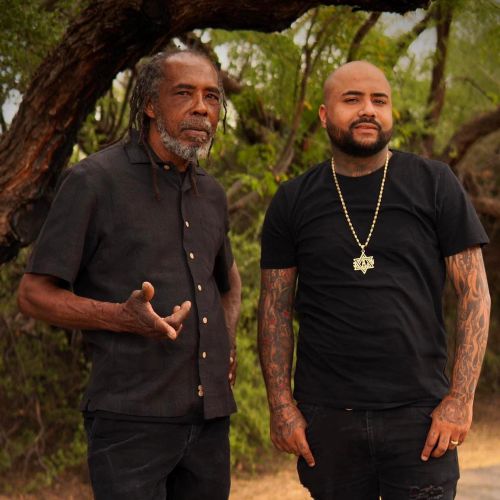
All his devotion to representing his culture led to a range of cool opportunities, including more touring. His intriguing and complex mixes and collaborations led him to work with an array of artists, from Snoop Dogg to San Diego's Tribal Seeds. He has worked with Safaree from the TV show Love and Hip Hop and has been featured on the show.
"I started doing so many different things and gaining popularity. Promoters were telling me that I was the face of reggae," he says. The prolific performer loves to tune into his audience to get them active and engaged.
When his dad died in 2022, it gave him a lot to think about regarding how to proceed with his career. For so long, their musical moves were linked. The two did radio shows together, DJ'd together, and worked passionately to promote the culture.
"It was just hard, there were so many certain little things he would do for me at the clubs, like being my sound engineer. My dad would be right there, messing with the mixer, making sure everything sounds right and stuff like that."
"It was just our time together. I really miss him."
Even though he pondered changing his own course, it was that father-son bond that kept DJ Jahmar on his musical path.
"My dad would always tell me, 'You know, Jahmar, it's our responsibility to make sure our culture is represented the right way. We have to make people know what real reggae music is and what real Jamaican culture is.' Representation of culture was so big to him. People don't always know reggae's history. They may look at certain groups, like Sublime, and think that's where reggae started. We want to inform people."
Opportunities to school folks on reggae, while also showcasing a plethora of its artists and their styles, helped DJ Jahmar start his weekly show, The Reggae Connection, on Tucson's Downtown Radio.
"When they approached me, they were like, 'Jahmar, we don't know about reggae, we'll let you curate your own show,' so I brought back The Reggae Connection, which is the show my dad and I started," he says.
Music isn't the only thing keeping DJ Jahmar busy. When he isn't playing at clubs, festivals, and after-parties, he's helping the community through charity work.
"I started DJs Against Hunger 11 years ago. I was in the park with my friend and commented that it seemed like the city wasn't doing much for the homeless population, and my friend said, 'Why don't you help them?'"
11 days later, he held a Christmas concert for people experiencing homelessness in the park, and there was no turning back.
"Just seeing the joy on people's faces that don't have anything, just being treated like a human, means so much. We started playing football with the unhoused residents in the park, and one of them told me that it was nice just not to be treated like a burden. I dedicated my life to it, and every time I DJ, I donate a portion of the money that I make."
City leaders noticed those efforts. In 2024, the Pima County Board of Supervisors declared August 5 DJ Jahmar Day in Tucson and Pima County in recognition of his music and community impact. Of course, there will be a celebratory event that day.
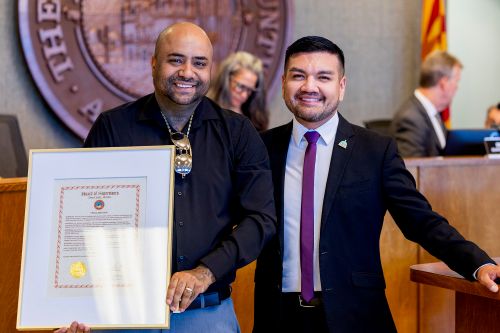
Jahmar spends half the year in Jamaica, and it's important to him to give back to the community there as well.
"Four years ago, I decided that if I'm doing this stuff in America to help the homeless, I must be able to help people back home. When I go to Jamaica, I do a Feed the Homeless event. I never want to go there and feel like I'm taking from the culture to make my music. I want to give back to the culture, too. In four years, we've probably fed over 3,000 people."
Reggae's deep-rooted social justice messages are a component of the genre that DJ Jahmar also wants to emphasize.
"There are Israel Vibration songs and Inner Circle songs I play right now that relate to what is going on in the world right now with racism, modern-day slavery, so many things. These songs were recorded decades ago, and they're still relevant today. I hope people open their minds and listen. We have been fighting the same problems for so many years. The only way we're gonna make things change is if we free up our minds, you know?"
"Change really starts with the mind. Reggae is a message, and I'm just delivering the message."
A couple of upcoming DJ Jahmar Arizona appearances:
- Mighty Mystic – August 21 at Sea Of Glass in Tucson
- The Wailers – September 10 at the Rialto Theatre

