
Photo: Stephanie Chernikowski
Good 'Gravy': There's a new Cramps record and a couple of punk veterans are involved
Henry Rollins tells Tom how he and Ian MacKaye are a driving force.
By Tom Reardon
Henry Rollins is a two-part story for me.
The first part began in high school. As a young punk guy, I discovered Black Flag on The Decline of Western Civilization soundtrack. I liked what I heard and found my way to the early years with Keith Morris on vocals. By the time I got to the Henry era, I had already developed a certain affinity for pre-Henry Black Flag.
Then, I saw Black Flag at the Mason Jar in Phoenix on their final US tour in 1986. It was clear by the time they got here that they really didn’t care for each other anymore. Rollins was confrontational, and while the early songs sounded great, much of the newer stuff didn’t really float my teenage boat.
So I became down on Henry Rollins as Black Flag’s frontman. I longed for the OG lineup, and I know I’m not alone in that. I’m also quite certain Henry Rollins does not give a shit.
Later, when the Rollins Band came along, I saw them twice. I think both times they were opening for the Beastie Boys, though I could be wrong about one. I liked them more than latter-era Black Flag, but I still wasn’t super impressed with this Rollins character.
I distinctly remember standing at the Tucson Convention Center watching the Beastie Boys next to bass player Andrew Weiss (who produced my favorite Ween record, The Pod). Weiss was smoking a cigarette and put it out with his bare foot. I was 22 and very impressed.
In 1996, I visited my friend Alex in Los Angeles. He had a copy of Get In The Van, Rollins’ diary from the Black Flag years. I started reading it while Alex was off recording a band, and I just inhaled the book. It was fantastic.
I read a few more of his books and became a fan. When the internet got going and videos of his spoken word shows popped up, I watched those and became even more of a fan. By the early 2000s, I started giving people long-winded answers (like the beginning of this article) about my feelings on Henry Rollins.
He’s a complicated guy from the outside. But after spending two hours on Zoom with him earlier this summer, I don’t think he’s that complicated. Rollins is simply one of the biggest music fans I’ve ever encountered, and he’s ridiculously driven to celebrate, curate, and document the music he loves.
He’s also super smart and fun to talk to in a way I wasn’t quite expecting. I expected the smart part, but the conversation was really fucking fun.
The reason for our discussion is a project he’s been involved with for years. A while back, his friend Larry Hardy of In the Red Records mentioned that his neighbor, Ivy Rorschach of The Cramps, had a bunch of Cramps tapes sitting in her garage.
“A tape should not live in a garage, and I just don’t like the idea of magnetic tapes sitting in a garage, even in Los Angeles — winter, spring, summer, and fall,” says Rollins, who asked me what I thought would happen to tapes like that in Arizona. They would disintegrate.
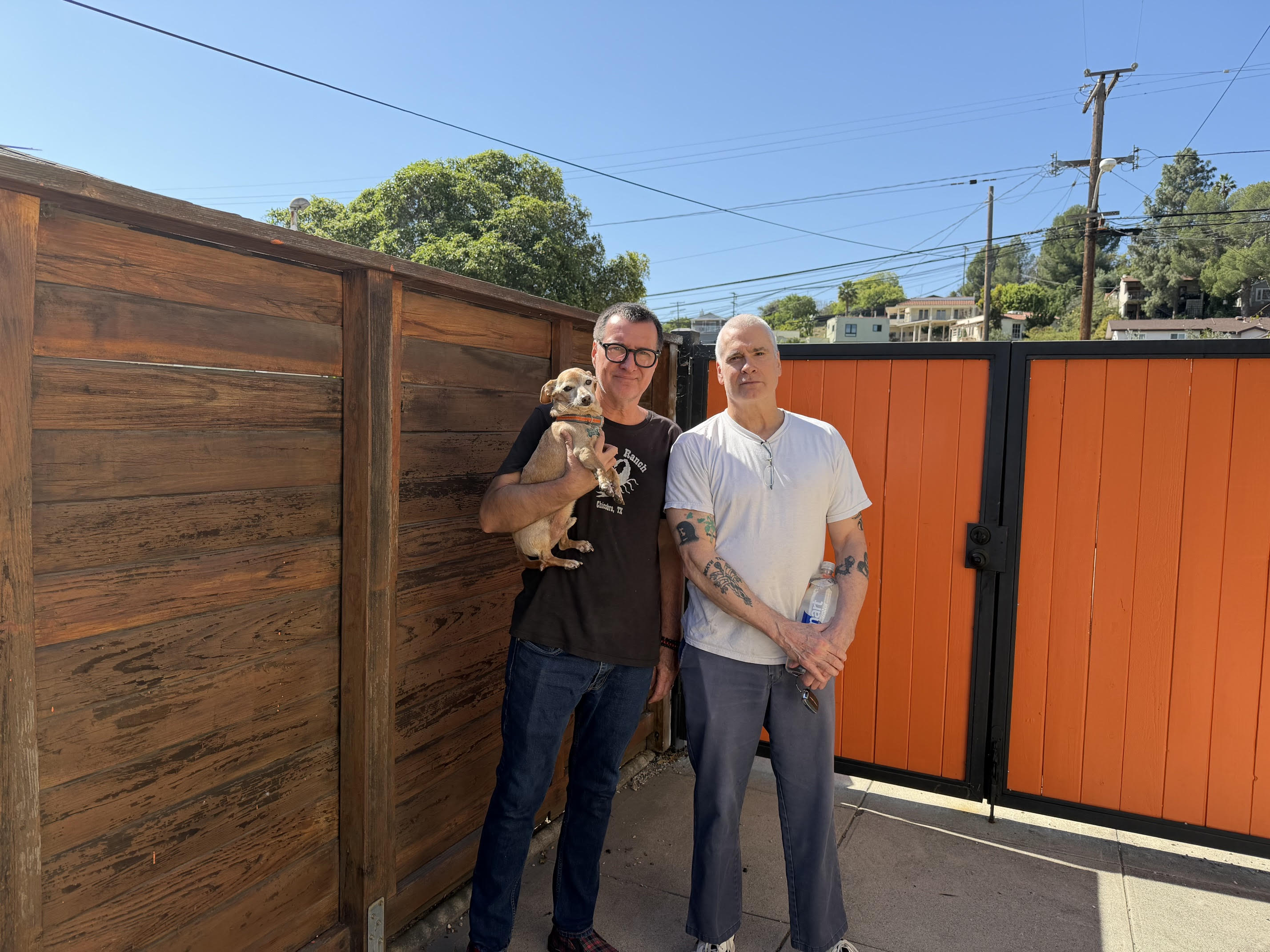
So after stewing on it for a few years, Rollins mentioned to Hardy again that he’d love to store those tapes for Ivy in the climate-controlled space at his home. Eventually, he met Ivy and was blown away to have a Cramp in his house.
Here I was, listening to Rollins basically admit that he is a total fanboy, too. It was awesome and kind of meta, considering I was having my own fanboy experience. If you ever get the chance to do something like this, don’t wimp out. Seriously.
Hardy vouched for Henry, and Ivy eventually agreed. Then Hardy found unreleased tapes from 1977 made by Alex Chilton of Box Tops/Big Star fame (though I love his solo stuff most).
“He sees seven quarter-inch tapes in a little stack,” Rollins says. “And he goes, ‘Well, what is that?’ And she explains it’s the project she, Lux, and Alex Chilton were doing called Gravest Gravy— more songs from the October ’77 Memphis Ardent studio sessions.”
If you’re a Cramps fan, you probably knew these recordings existed because a few tracks made it onto an early 7” and YouTube, but finding the actual master tapes was an inspiration for Rollins and Hardy. The reason they hadn’t come out sooner is heartbreaking.
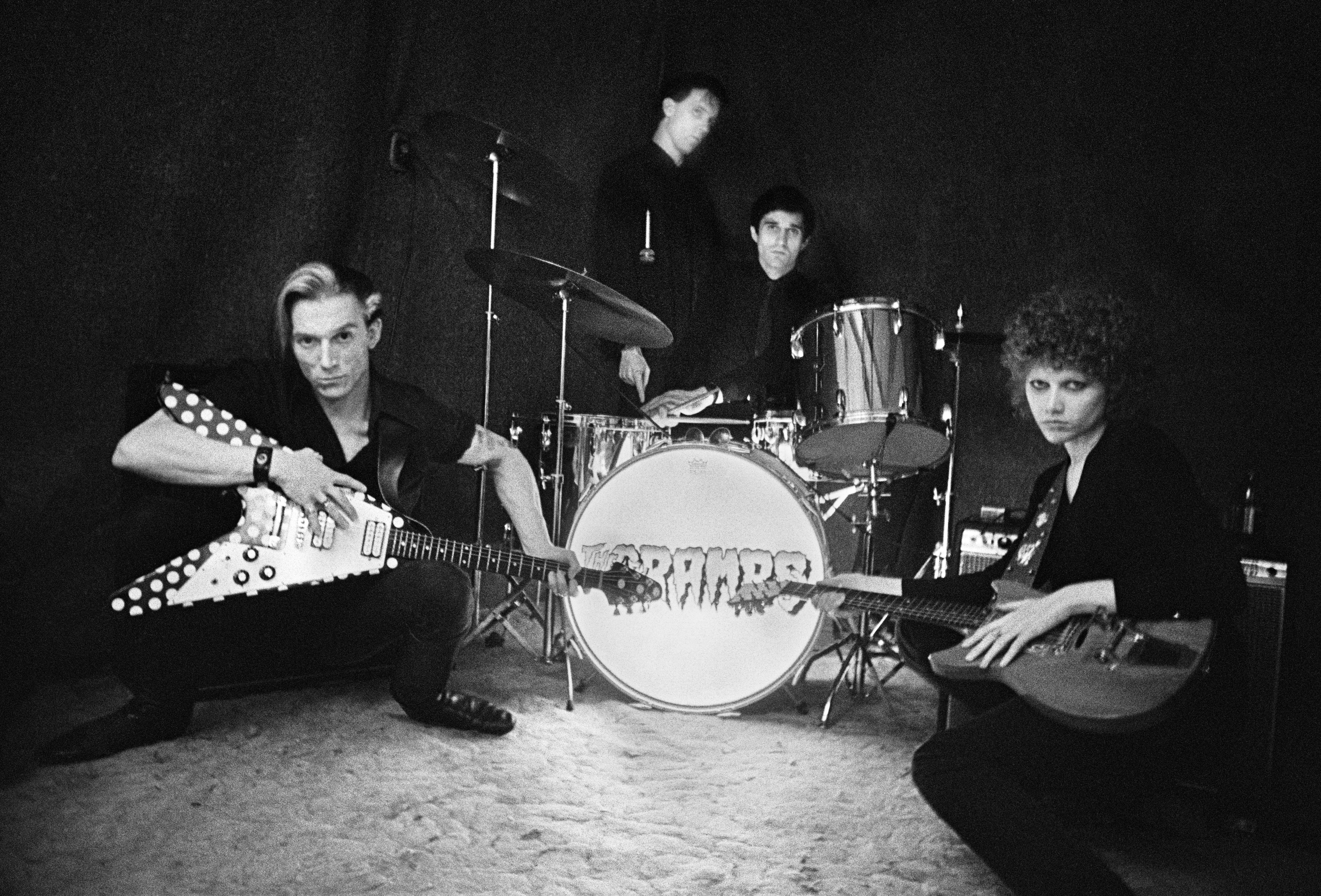
“It was supposed to come out in 2008 — the last Cramps record,” Rollins says. “Basically a ‘we love you’ farewell, bringing it back to Memphis where we started with Alex in ’77. It’s this perfect, serendipitous boomerang. And then, you know your history, Lux becomes sick. We lose Lux. Can you imagine that kind of grief? Because I can’t. So maybe ‘Hey, let’s make a Cramps record’ isn’t top of mind. And so the record just remained on the shelf.”
It’s hard to fathom losing your spouse and creative partner of 46 years without reaching a point where you can’t look at Cramps stuff anymore. Rollins got this, but he also understood these songs needed to be heard — along with the rest of The Cramps’ largely out-of-print catalog. So he and Hardy started talking about helping revive The Cramps’ label, Vengeance Records.
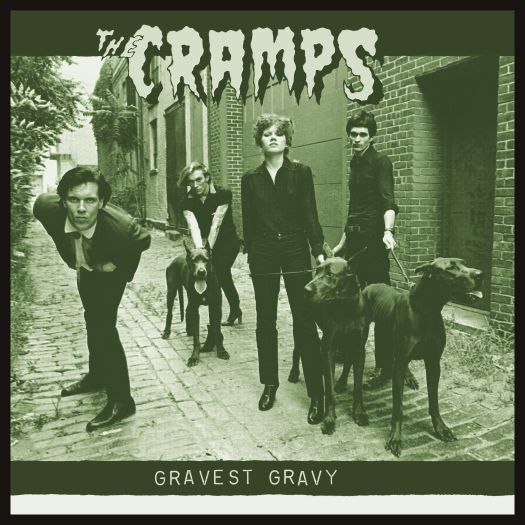
Gravest Gravy will be the first official release on August 21, 2026, complete with the original intended artwork, and it sounds amazing. I pressed Rollins a little on my own favorite title, The Smell of Female, but he told me I’d have to be patient.
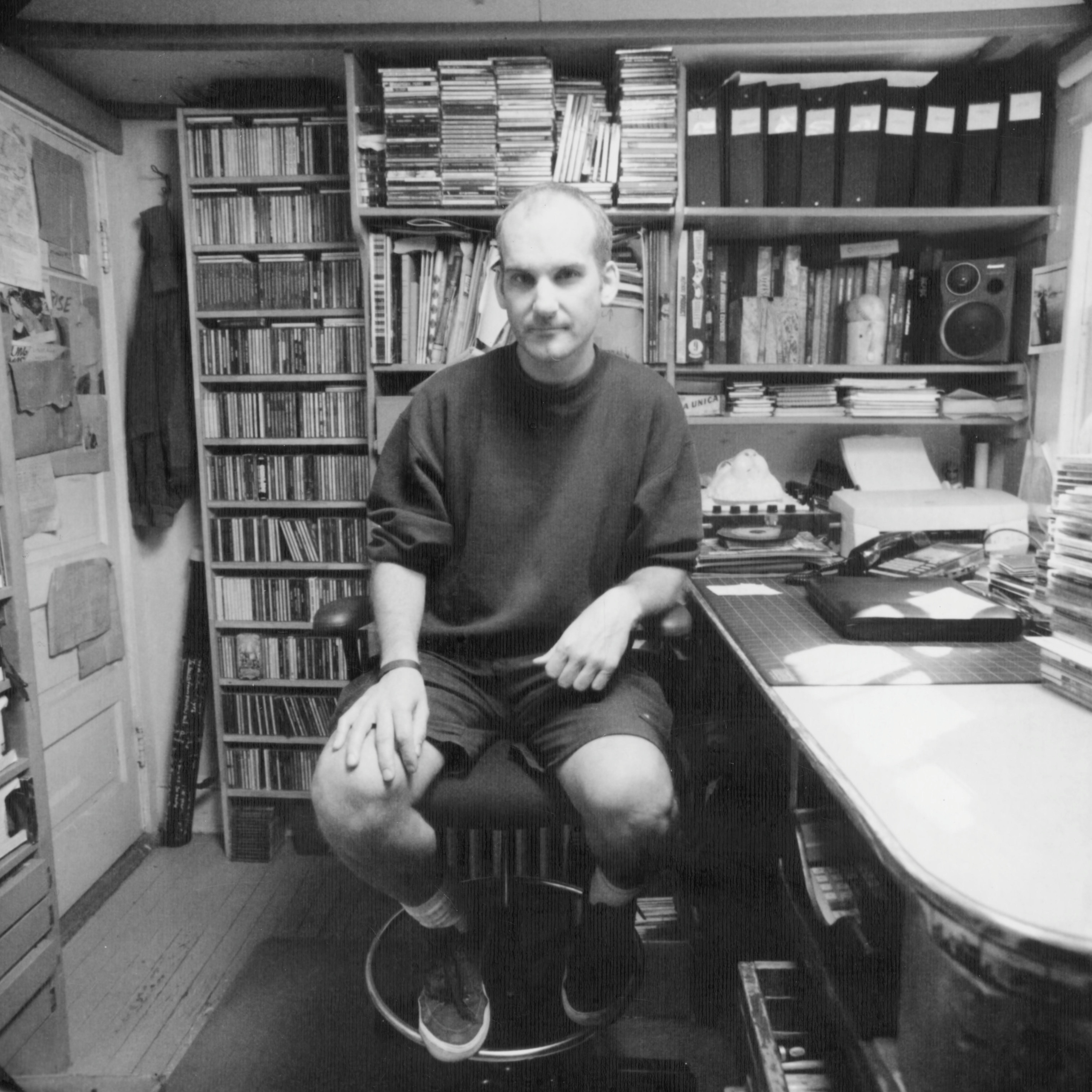
If you’re familiar with Rollins’ spoken word, you may have heard the story of when he and Ian MacKaye went to see The Cramps in 1979 at a small club in Washington, D.C. It was Rollins’ first punk show.
“We first saw The Cramps on April 20, 1979, at a small bar in Washington, D.C. called LBJ,” Rollins says. “The LBJ had no stage, so The Cramps played in the corner on the floor.”
He described the club and the evening in vivid detail. When I mentioned that another person I interviewed years ago — Ted Nugent — remembered live shows from his youth with similar detail, Rollins told me a story about how he and Nugent almost did a show together to debate different topics. How cool would that have been?
Rollins remembered maybe 70 people at that LBJ show, and it was transformative.
“I never got better,” Rollins recalled. “I’ve never recovered from that show. The Cramps were part of me understanding rock and roll as a close-up experience, and rock and roll became a fact.”
It was a no-brainer to get MacKaye involved in the project. Rollins sent him the tracks and mixes because “two heads are better than one.”
“Ian had a great idea,” Rollins says. “He said, ‘Later in the summer, we’ll find two or three days, you’ll come up to D.C., we’ll listen to our mixes, and just see if any little touch-ups can be done.’ He’d already done a slight remix of one track — just some guitar alignment — and it’s much better for it.”
Both Rollins and MacKaye are doing this purely out of love and respect for The Cramps, and will continue as long as they’re asked. To say this is refreshing is an understatement, but after a couple hours on Zoom with Rollins, it’s clear this is just the kind of human being he chooses to be.
And he also loves The Cramps as much as anyone on the planet. I mean, I’m a big fan of The Cramps, but I will quickly admit that I know a fair amount of people who are much more fervent in their Cramps love than myself. Henry Rollins takes the cake, though.
When I asked him why they were maybe the greatest band ever at taking someone else’s song and making it their own, he got a big smile on his face and summed it up like this:
“Lux and Ivy were intense students of music.”
Who better than another student to steward this project? Trust me: if you’re a Cramps fan, get ready to buy this record and be excited because it sounds like the best is yet to come. Viva The Cramps.

