
Where would these Arizona celebrities be if they never became famous?
Chad Carnahan has ideas about the turns their lives may have taken.
By Chad Carnahan
I was born in parallel Arizona, where liner-note realities are fractured only by aesthetic injustice — a place where the complications of fate and fandom intersect with destination and intent. Everyone you know has yet to ever live, and everything we do is only take and give.
Documentation is fleeting and chronicles only the misleading. So…
I’ll do the watering,
If you do the seeding,
And I’ll do some writing
If you’ll do some reading.
These are a collection of true stories about real Arizonas. Tell me they’re not.

Stevie Nicks by Ueli Frey.
Stevie Nicks
Stevie never traded the valley-fever-infested dust for a life in Laurel Canyon. Instead of twirling in chiffon while coked out on sold-out stadium stages, she swept old bouffant floor clippings at the Desert Mirage Hair Salon in Apache Junction, Arizona.
Her voice, a raspy, goat-like instrument, wasn’t shaped by Fleetwood Mac choruses, but by decades of heavy gossip shared over salon chairs and a permanent cloud of menthol smoke. She smelled perpetually of Aqua Net, bleach, and Kool cigarettes, her fingers stained yellow at the tips, clutching a lighter like a talisman.
Clients couldn’t get enough of her fringe bangs and the way she’d tarot-read split ends, all while whispering that she could have been a great singer. Stevie just worked away, her turquoise rings clicking against the styling shears.
When lung cancer finally claimed her in 2002, the salon closed for an afternoon. They played the KSLX radio station softly, a final, quiet tribute to a wild bird who never left her cage.
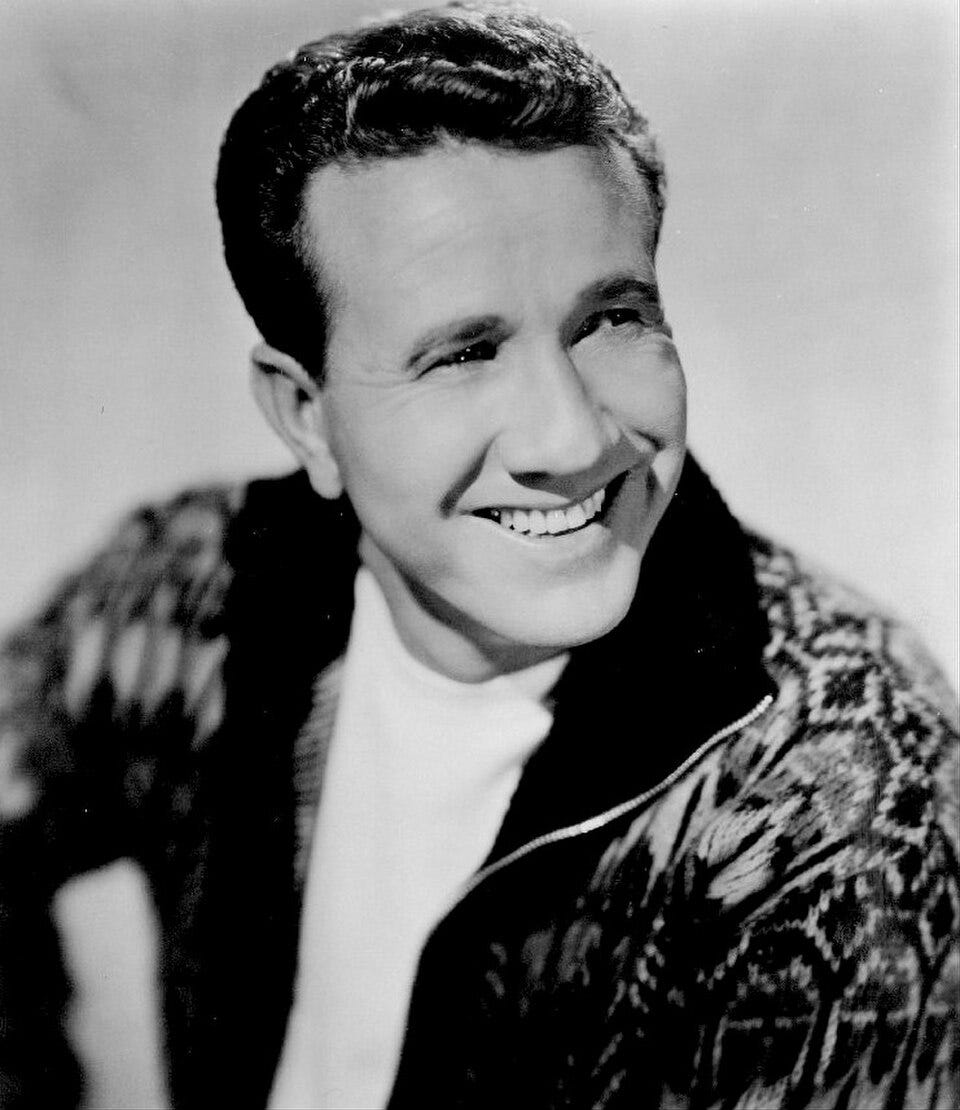
Marty Robbins. Public domain photo.
**Marty Robbins **The summer wind blew hot and dry across the asphalt of Glendale Avenue, stirring up dusty little devils that danced past the open bays of Marty’s Garage. Inside, the air smelled of warm motor oil, bad instant coffee, and carburetors.
At ninety-six years old, Marty stood hunched over an old slant six, his silver hair tucked under a grease-stained cap, turning a wrench with wrinkled hands that still remembered every wrench ever torqued. He had never traded Phoenix for the bright lights of Nashville. This valley was his country, and these people were his blood.
When a hard-luck teenager or a stranded single mother shuffled into his yard with a smoking radiator, Marty never reached for an inflated bill. He’d just wipe his hands on a rag, flash that familiar, easy grin, and say, “Let’s see what we can do, friend.” He fixed transmissions with the same grace he used to tell stories of an old West Texas town.
As the sun sank low behind the saguaro-studded horizon, painting the sky in deep copper and violet, the work stopped. Neighbors and old-timers pulled up chairs around the oil drums, listening to Marty pluck a worn guitar and keep the spirit of kindness alive right there in Glendale.
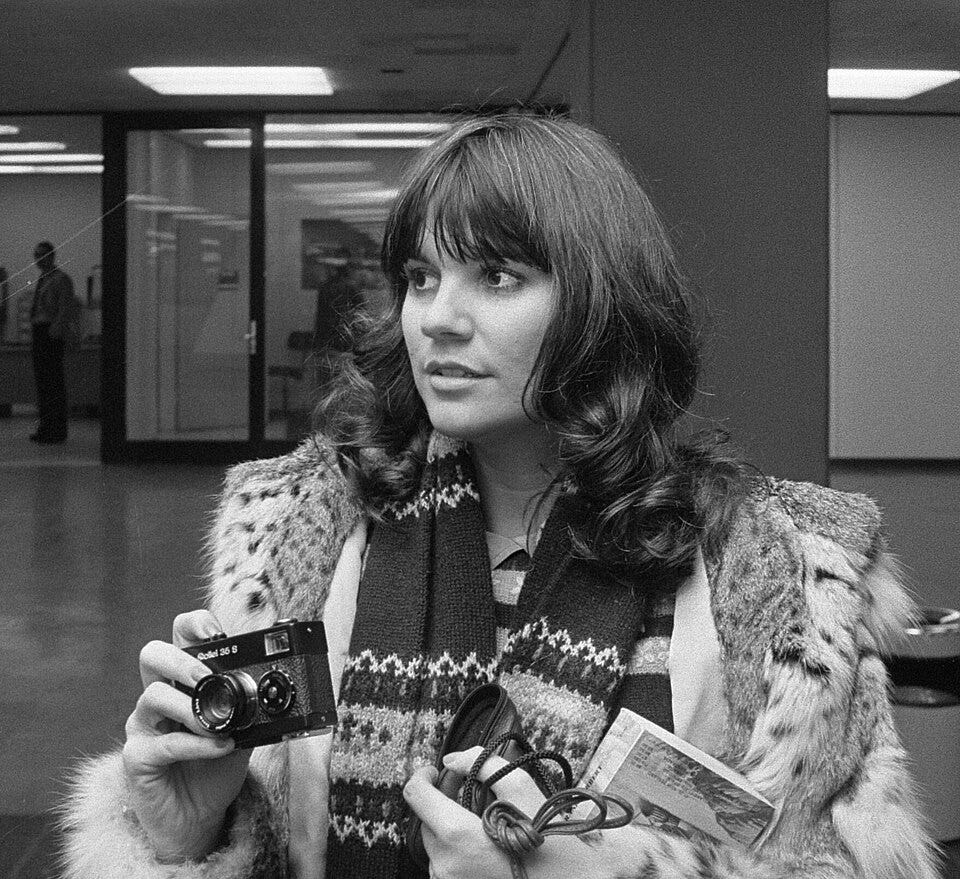
Rob Bogaerts for Anefo.
**Linda Ronstadt **Linda worked at her folks’ hardware store in Tucson. She was the most gossipy woman in town, always whispering mean things about neighbors behind the screen doors. Nobody liked her much because she loved spreading nasty rumors.
One day, a smooth-talking man walked in to buy a hammer. Linda fell hard and married him right away. Big mistake. He turned out awful and abused her terribly behind closed doors. Then, he just vanished into thin air one night, taking all her savings with him.
Heartbroken as well as money-broken, Linda packed her old, rusted Dodge Dart and drove far away. She ended up living near the state line in northern Oklahoma. She spent every single day sitting in smoky casinos playing slot machines until all her luck was gone. She never sang a single song, never went back to Tucson, and just pushed buttons on slot machines until her dying breath, totally forgotten by the world she left behind.
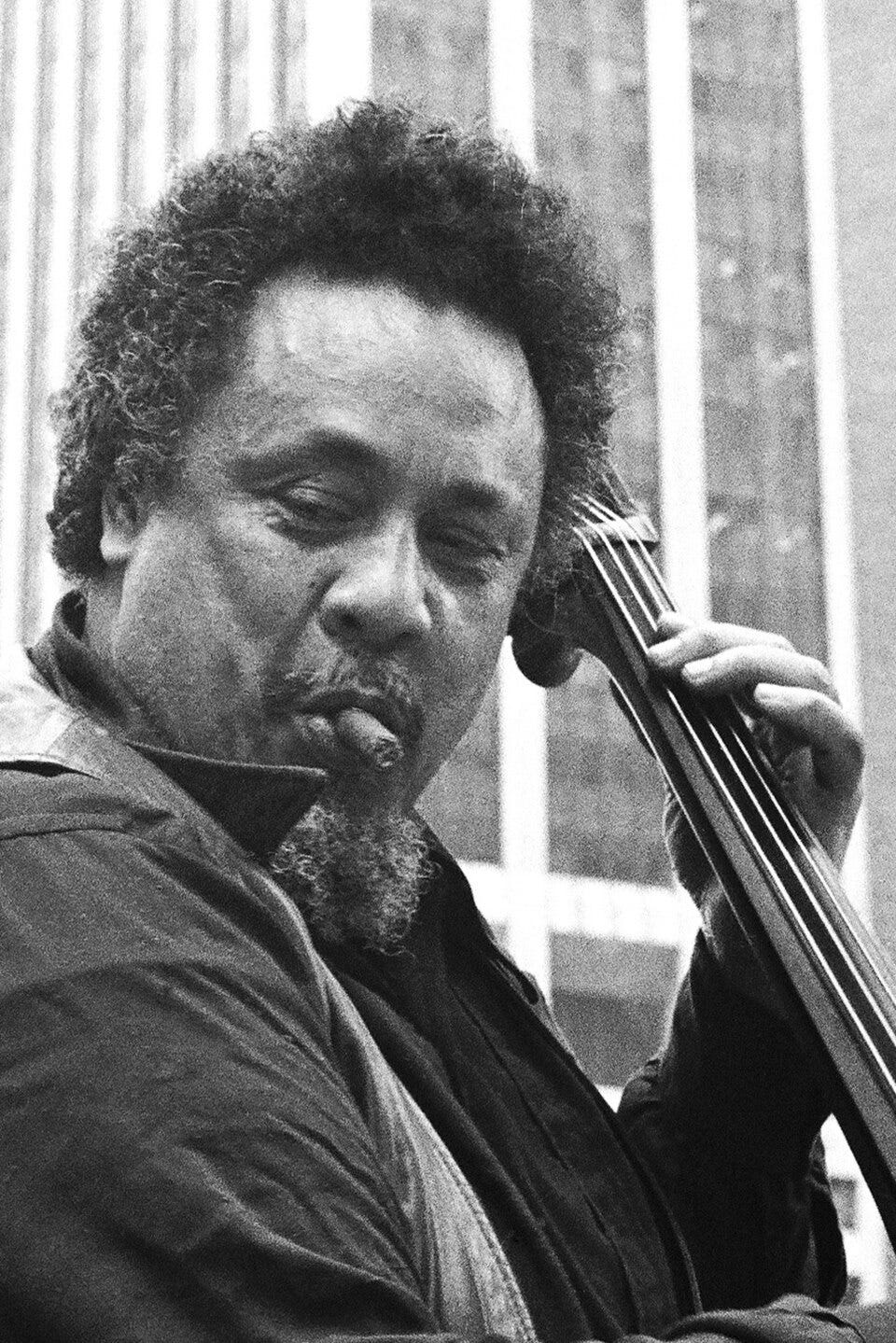
Charles Mingus. Photo by Tom Marcello.
**Charlie Mingus **My fellow residents, let me be clear: in the arena of municipal governance, true political capital is rarely spent on chasing cheap applause lines.
When Mr. Mingus took the oath as mayor of Nogales, Arizona, he didn’t run a campaign of triangulation or poll-tested platitudes. He governed with a fierce, uncompromising mandate to push the needle toward structural progress.
Naturally, this made him thoroughly, relentlessly disliked by the local constituency.
When Mingus implemented a comprehensive zoning overhaul and gutted the bureaucratic red tape surrounding municipal water rights, the town’s disapproval of him skyrocketed into the stratosphere. Constituents held town halls to shout at him. Local pundits accused him of being heavy-handed.
Yet, Mingus remained entirely unbothered by the shifting political winds. “Let the motherfuckers bitch,” he would mutter, rolling up his sleeves to tackle the town’s budget. He routinely sacrificed his bipartisan appeal on the altar of good governance, dragging Nogales kicking and screaming into fiscal solvency.
When Mayor Mingus passed away in 2009, the town experienced a profound paradigm shift. The very residents who had spent years petitioning for his recall suddenly realized that the abrasive, unyielding mayor had quietly built the strongest municipal infrastructure in southern Arizona. They mourned him deeply, recognizing that his stubborn integrity was the ultimate form of public service.
Today, visitors walking through the Nogales cemetery can look upon his final resting place. True to his biting, no-nonsense wit, his headstone bears a final, perfectly crafted political statement:
CHARLES MINGUS
1922 – 2009
“I told you I was right, but no—you had to form an exploratory committee.”
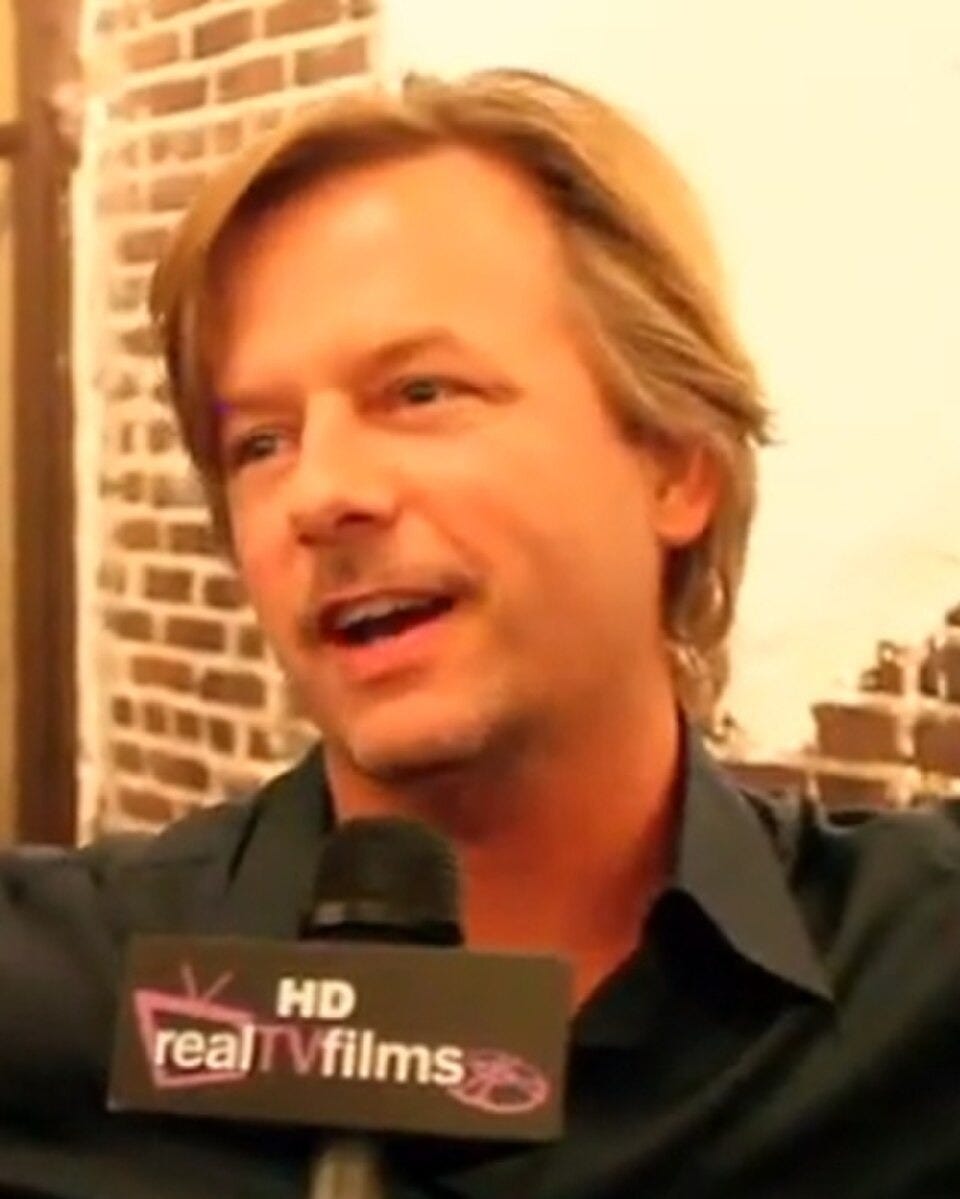
David Spade on RealTVFilms.
**David Spade **The desert heat in Tempe doesn’t care about your dreams. It sits on the asphalt like a wet wool blanket, heavy and suffocating, much like the atmosphere inside the back-of-house where David Spade first learned to sweat for a living.
He started as a busboy, clearing grease-filmed baskets of fries and half-melted ranch cups from sticky booths. He watched, he waited, and he learned the bitter, transactional geometry of the hospitality trade. Over grinding years, Spade clawed his way up. He traded the bus tub for a cocktail shaker, and the shaker for the clipboard, eventually claiming the throne as bar manager.
He became a creature of fluorescent lights and cold calculation. Spade wasn’t a boss; he was an overlord. He ruled the floor with an icy, unblinking stare and a sharp tongue, completely devoid of empathy. If you cut your hand on a broken pint glass, he handed you a dirty rag and told you to clean your section again. He watched his staff like a hawk with nothing to lose, untrustworthy, paranoid, and utterly detached from their humanity. He didn’t care about their rent, their kids, or their hangovers. To Spade, people were simply disposable inventory.
That armor of arrogance finally cracked under the harsh neon of his own ambition. When the general manager chair opened up, he took it, but the promotion was his undoing. Flush with misplaced power, he crossed a line, whispering something inappropriate to a teenage hostess who had the good sense to report him instantly. Corporate didn’t hesitate. They severed him like a rotting limb, tossing him out the back door into the alleyway of failure.
Now, you can find him down the street at First Round Draft. He’s pouring cheap domestics for midday regulars who barely look at him, reduced to a daytime bartender wearing a faded polo and the heavy, lingering ghost of a man who once thought he owned the room.
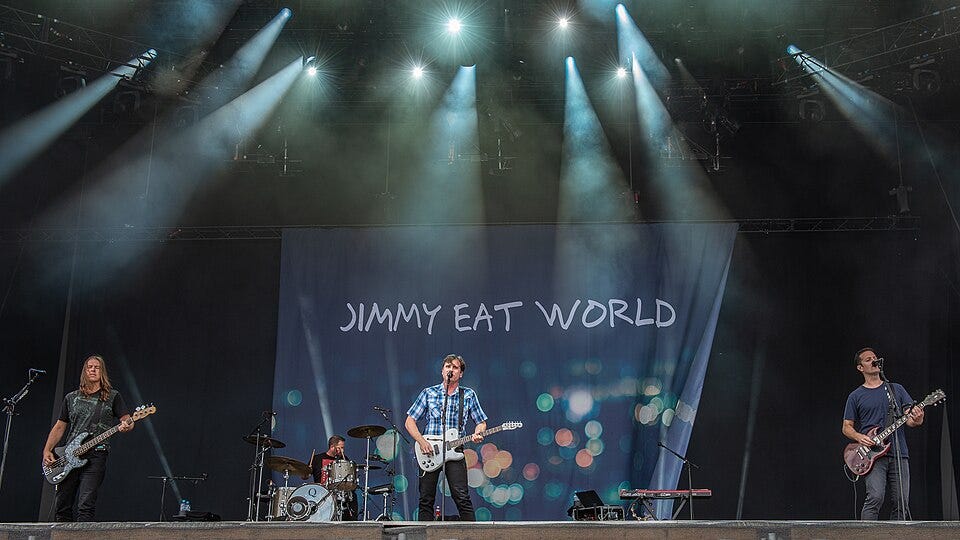
Jimmy Eat World. Photo by Stefan Brending.
**Jimmy Eat World **The air conditioning in the Motorola assembly plant hummed with a heavy, indifferent drone, smelling faintly of solder and industrial carpet. Jim sat at his cubicle, rolling an unsharpened No. 2 pencil between his palms, watching the way the fluorescent strips caught the back of Tom’s neck. Tom was bent over a circuit schematic, his brow furrowed in that quiet, yet determined way he had whenever things didn’t quite add up.
Jim knew every line of him, the slump of his shoulders after a double shift, the frayed cuffs of his flannel. They had played third base and shortstop for the departmental softball team in Mesa for three summers now, sweating under the hairdryer sky, keeping up a fragile, unspoken performance of ordinary friendship that felt hammer-heavy with things left unsaid.
Across the bullpen, Zach was loudly complaining about his weekend. Zach always had too much noise about him, too many loose threads. He was struggling under the quiet panic of having three bastard children scattered across most of Phoenix, a secret he tried to mask with cheap abrasive jokes.
“Softball tonight, right?” Zach called out, leaning against the divider. “If Rick doesn’t show up sober again, we’re forfeiting the fricken game.”
Rick looked up from his terminal and offered a tired, paper-thin smile. Rick was the anchor of their outfield, reliable and painfully gentle, though lately his eyes carried a hollow, salt-rimmed exhaustion. They sometimes drove home together, cutting across the desperate grid of Mesa roads under an indifferent violet dusk.
A week later, the monsoon-season humidity hung thick in the air when the phone call came. Rick’s car had drifted off Stapley Drive around midnight in a suspicious single-vehicle wreck. The police report mentioned high blood alcohol, but Jim knew Rick, knew the quiet, steady rhythm of his hands. It didn’t fit.
At the memorial behind the warehouse, standing on the dirt-covered turf where they used to practice fly balls, Tom’s shoulder brushed Jim’s. The silence between them was thick, suffocating, and absolute. Jim looked down at his shoes, the oppressive heat pressing down on them both, realizing with a sharp, sickening ache that some things are only ever realized after it’s too late to say them aloud.

Alice Cooper. Photo by Robin Looy.
**Alice Cooper **Vincent adjusted his horn-rimmed spectacles, contemplating the austere beauty of an amortization table. As a senior accountant for the SRP, Vincent found a quiet, decadent pleasure in the endless columns of figures, subduing the unruly desert thirst with cold ledger entries. Phoenix is a dry, blinding crucible, yet inside the air-conditioned bowels of the utility building, life was reduced to manageable, taxable integers.
When the malignant cells—a rare, aristocratic mutation of the pancreas—finally colonized his tissues at fifty-four, Vincent accepted the diagnosis with the weary detachment of a minor European monarch losing a distant province. He noted his failing kidneys with the same meticulous eye he once applied to hydroelectric depreciation schedules. As the morphine blurred the final spreadsheets, Vincent murmured that death was merely an unverified audit, closing his ledger forever under the indifferent Valley sun.
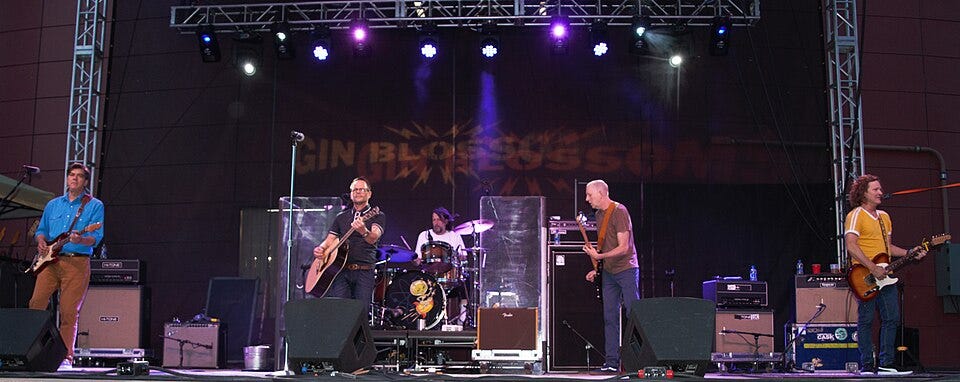
Gin Blossoms at Mayo Civic Center, 2018. Photo by Jonathunder.
**The Gin Blossoms **Existence is an unpardonable lapse, a cosmic indiscretion that manifests most acutely in the quiet, desolate margins of the everyday. Consider the tragic redundancy of those who once inhabited the blinding illusions of Tempe, Arizona, only to collapse into the profound irrelevance of absolute nothingness.
Robin drifted eastward to Pennsylvania, where he spent forty years cataloging corrugated cardboard boxes in a windowless warehouse, achieving a state of pure, unadulterated uselessness.
Jesse found himself marooned in Bismarck, North Dakota, faithfully staring at a dripping kitchen faucet, meditating on the supreme absurdity of human striving while refusing to contribute a single constructive thought to the machinery of civilization.
Down in the swampy humidity of Mobile, Alabama, Scott Johnson sat on a plastic porch chair, motionless, watching dust motes dance in the dying light, perfectly content to let his potential evaporate into total obscurity.
Meanwhile, Bill Leen relocated to a desolate cul-de-sac in Laughlin, Nevada, mastering the art of prolonged silence, successfully avoiding every opportunity to leave a mark upon the earth.
Finally, Phillip Rhodes retired to a monotonous routine ip in the Catskills, sleeping through afternoons that bled meaninglessly into one another. They all faded away, unknowingly, into the heavy, indifferent distance of a profoundly silent cosmos.
**Chester Bennington **Our Phoenix asphalt blistered, boiled, bubbled, and changed. Chester blinked against white-hot glare, sweating gasoline and cheap smoke. Teeth ground down to jagged stumps; he straddled a stolen grocery cart lashed with rusted bicycle rims and duct-taped Zenith televisions. A hotdog cart, stripped of its canopy, was now his street chariot. He gripped handlebars made of broken golf clubs.
Burn it out.
The voices hissed behind his eyes. He chipped off another crystal shard into the glass dick, fired his torch, sucked hard, and kicked off against the curb.
Decades bled away into the desert haze. While friends and enemies faded, overdosed, or burned out in cheap motels, Chester kept ticking. He outlived five governors, two sets of lungs, and every single tooth. At seventy-eight, his skin was sun-cured leather stretched over wire and sinew, but his manic engine refused to seize.
In ‘94, he tried converting a 4-slice toaster into a Betamax VCR using aluminum foil and copper wire. In 2011, he swore he decoded government broadcasts inside the hum of a Circle K neon sign. Cops knew him. ER nurses patched his cracked ribs and sent him back out. Death seemed to forget his address, bypassed by a man moving too fast on cracked bearings.
He screamed unknown poems into the empty desert wind, a shattered voice howling at jackalopes and heat mirages. He rolled forever down McDowell Road, eternal, untouchable, blessed by meth, and eternally fried holy.

Emma Stone by Eva Rinaldi.
**Emma Stone **This hosebeast smelled like a gin bottle’s asshole and warm asphalt vomit, as she lay slumped over a sticky booth at Groggy’s bar. She wasn’t any Hollywood starlet; she was a hard-edged barfly with countless DUIs, missing teeth, and bruised knuckles from prying open unlocked glove boxes behind the restaurant supply store. Her life was a revolving door of jail cells at Estrella, hangover shakes, and nameless men with hairy backs, and gangly women wearing ball caps who used her battered body and left crumpled five-dollar bills and cigarettes on the nightstand. She was a total wreck, whoring herself out just to keep the studio apartment lights buzzing and the malt liquor pouring down her raw, diseased-riddled throat.
Then, at forty-nine, the liver pain hit like a runaway train. Emma looked in the cracked mirror, saw a hopeful ghost staring back, and stopped. No rehab pamphlets, just sheer, stubborn grit. She dumped the booze, closed the motel doors on the endless parade of strangers, and started from scratch.
Twenty years later, Emma runs the cash register at the local ice and water store. Her hands are steady now, bagging fifty-pound blocks of ice with a quiet, genuine smile for every single customer. She volunteers at the animal shelter on weekends, donates blood, and tips her servers well when she can afford to eat out. The past is a distant graveyard, but Emma finally found peace in the honest, freezing cold**.**
_**About Chad: **_Chad Carnahan is a musician from Chandler, Arizona. He has been making art, poetry, and food in the Phoenix area since the 1980’s. His band The Vinegar Sting has been annoying people off and on for the last 26 years. His solo project Bombing of Naco has 204 people in it. His art can only be seen by accident, and his poetry is composed only of numbers. Several valley restaurants and hotels serve his tasty culinary creations.

